

At the end of the year, we sit down as a team and go through the year. What changed for our clients, what stopped working, what we got wrong and what we should be learning next. This year we thought we would share a cleaned-up version of those notes.
Search for “digital marketing 2015 India” and you will find plenty of prediction lists full of big numbers. This is not one of those. It is a plain look at what we saw shift in 2014 for small and mid-sized businesses in Delhi, and the few things we expect to matter most next year.
Looking back at 2014
Facebook reach kept falling
This was the conversation of the year. Business pages that used to reach a good share of their fans with every post found that only a small fraction were seeing anything. Facebook has been open about it: more people and pages are posting, and the News Feed has limited space.
In November, Facebook went further and announced that from January 2015, people will see fewer overly promotional posts from pages. The examples it gave were posts that only push people to buy something or install an app, contests with no real context, and posts that reuse the exact wording of an ad. For many local businesses, that describes most of what they post.
Phones became the main screen for many customers
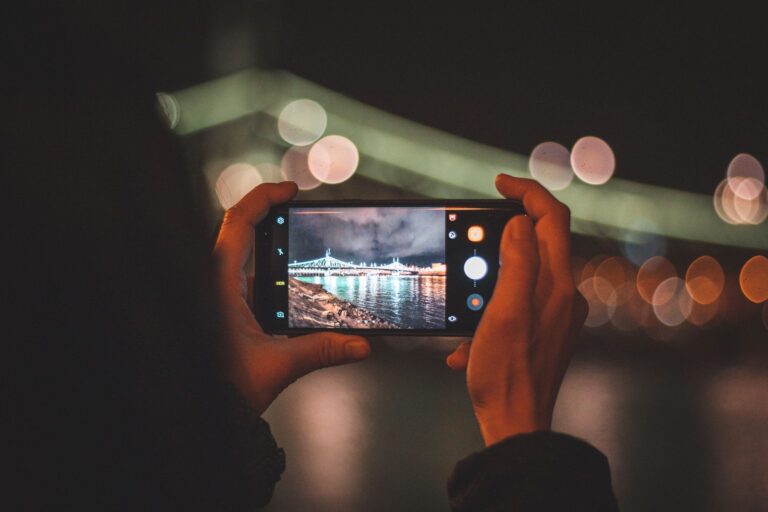
Cheaper and better Android phones arrived in big numbers this year, many of them sold online. Phones that would have cost a lot more two years ago are now in the pockets of college students, shopkeepers and delivery staff. For restaurants, clinics and other local services especially, it is now safer to assume that a large part of your website visitors are holding a phone, not sitting at a computer.
Google pushed hard on mobile and security
In August, Google said it would use HTTPS as a light ranking signal. In November, it started labelling sites as “Mobile-friendly” in mobile search results and said it is experimenting with mobile-friendliness as a ranking factor. Both are small changes on their own. Together they tell us what Google wants websites to look like.
Google also brought its local tools together under Google My Business in June, replacing the older Places dashboard. If you have a shop, clinic or restaurant, that is where your listing on Google Search and Maps is now managed.
The election showed what online campaigns can do
The general election in April and May was the first time many people in India saw political campaigns put serious effort into Facebook, Twitter, WhatsApp and YouTube. Whatever anyone thinks of the politics, it changed how a lot of business owners talk to us. People who used to say “my customers are not online” stopped saying it.
WhatsApp became a business tool by accident
Facebook agreed to buy WhatsApp in February. Meanwhile, shop owners, restaurants and coaching centres started using it to take orders, share menus and send offers. There is no official business version and no proper tools for it. It is just the app everyone already has, and that is exactly why it works.
What we are watching in 2015
1. Mobile search, especially local
When someone searches “pizza delivery near me” or “child specialist in Rohini”, they are almost always on a phone and usually ready to act. We expect Google to keep rewarding sites that work well on phones and to keep putting local listings, maps and phone numbers at the top of these searches.
For our clients, this means three things: a website that works properly on a phone, a complete and accurate Google My Business listing, and consistent name, address and phone details across Justdial, Zomato and other listing sites.
2. Video, but short and simple
Videos now play automatically in the Facebook News Feed, and people are watching them on their phones in a way they were not a couple of years ago. Instagram has 15-second video. YouTube is still where people go to search for how-to videos.
We do not think every business needs expensive productions. What we expect to work is short, honest video: a chef plating a dish, a doctor answering a common question, a walk through a school campus. Shot on a decent phone with good light and clear sound, these can do more than a polished ad. We will be testing more of this with clients next year.
3. Paying for reach on Facebook
With organic reach falling and promotional posts being cut back further, we think most businesses will need a small, steady Facebook ad budget to reach even their own fans. That does not have to mean big spends. It means boosting the posts that matter and targeting carefully by location, age and interests, instead of hoping every post finds people on its own.
It also means changing what gets posted for free. Posts that are useful, local and human have a better chance. A list of offers belongs in an ad, not in an unpaid post.
4. Reviews and reputation
More customers now read reviews before choosing a restaurant, salon or clinic, on Zomato, Google, Justdial and Facebook. Replying to reviews, good and bad, is becoming as important as posting on social media. We expect this to matter even more as people search on their phones and decide within a minute or two.
5. Websites that answer questions
A lot of small business websites are still online brochures. As more people arrive from phones and from search, the sites that do well will be the ones that answer the obvious questions quickly: price range, timings, location, how to book, what happens next. We will keep pushing clients toward simpler, clearer pages.
How this changes our own work
None of this calls for a new strategy every month. For 2015, our focus is on doing the basics properly for every client: a fast, mobile-friendly site, a well-kept Google listing, social media that people actually want to read, and modest, well-targeted ad budgets with clear reporting.
We will also keep writing here about changes as they happen, in plain language, so you can decide what matters for your business.
If you would like to talk through your plans for next year, we are happy to sit down before the new year rush begins.