
On 2 August, Instagram launched Stories: a way to share photos and short videos that disappear after 24 hours. They sit in a row of circles at the top of the feed, and when someone you follow has added something new, their profile picture gets a colourful ring around it.
It has been about three weeks, and the feature is already familiar to anyone who has used Snapchat. The comparison is fair. Instagram has borrowed the format quite directly: a string of photos and clips that play one after another, then vanish. For small businesses, the useful question is not whether the idea is original. It is whether Stories give you a place to share the ordinary parts of the day without filling your main profile with them.
We think they do, if you treat them as a sketchbook rather than as a second, carefully designed feed.
How Stories differ from regular posts
A regular Instagram post stays on your profile grid. It appears in the main feed, it can collect likes and comments, and it becomes part of the public face of the business. That is why we have been telling clients to post fewer, better photographs since Instagram began ranking the feed earlier this year.
A story is different. You add photos or short video clips through the day, they play in sequence when someone taps your circle, and they disappear after 24 hours. They do not land on your profile grid and they do not sit in the main feed as ordinary posts. Instagram has also given you drawing tools and text, so you can scribble a price, an arrow or a short note on top of the picture.
Each video clip in a story is short, around ten seconds, so you string a few together if you want to show a slightly longer moment. You can add as many items as you like through the day. Instagram’s own pitch was that you no longer have to worry about posting too often, because these updates are not meant to last.
People cannot like a story or leave a public comment under it the way they do on a feed post. They can send you a message, which arrives in Instagram Direct. You can see a list of who viewed each item. If your account is public, your story is public too, including to people who do not follow you but who open your profile.
If a particular frame turns out well, you can share it to your regular feed from the story itself. That is handy when a casual clip is stronger than the posed photo you had planned.
Why this suits shops and restaurants
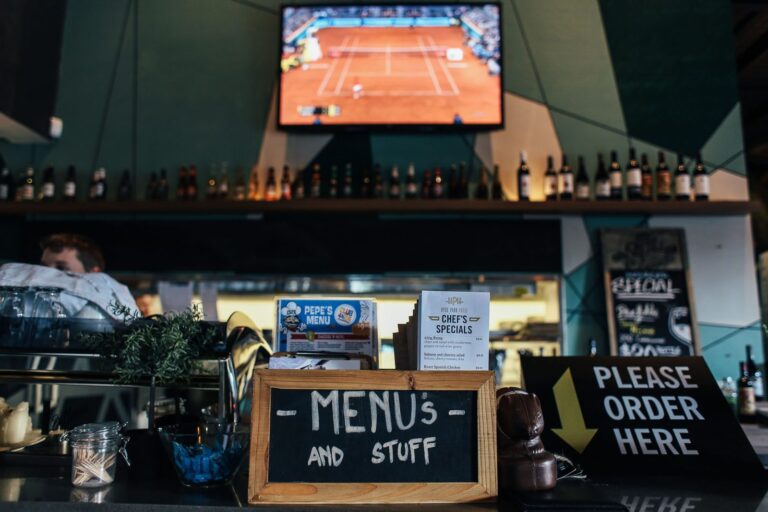
Most small businesses have a gap between the polished pictures they put on the grid and the life of the place itself. The grid shows the plated dish, the dressed window, the finished product. Stories can show the hour before that: the baker taking trays out, the florist tying a bunch, the cook checking a kadhai, the owner writing today’s specials on a board.
Those moments used to feel too rough or too frequent for the main profile. Putting them in a story keeps the grid tidy and still lets regulars feel they have looked in on the day.
For an Instagram Stories business routine, we start with a few simple uses rather than a content calendar full of themes.
Today’s food, while it is being made
A restaurant or cafe can show the first batch of samosas, the lunch thali being plated, or the pastry cook piping cream. Add a line of text with the name of the dish and whether it is available now. This works better than a graphic that says “fresh food daily”, because people can see that it is actually today’s food.
What just arrived in the shop
A clothing store, a bookstore or a home shop can walk along a new rack or a newly unpacked carton and point out two or three items. Keep the clip short. Say the size range or the price on the screen if you want people to come in without having to message you.
Hours, delays and small changes
If you are opening late, closing for a private booking, or running out of a popular item, a story is a quick way to tell the people who already follow you. It will not replace a sign on the door, and it will not reach everyone, but it is faster than designing a feed post for news that will be irrelevant tomorrow.
A look at the room
On a quiet afternoon, turn around and show the empty tables, the lit window, or the courtyard. On a busy evening, show the atmosphere without pushing the camera into anyone’s face. People deciding whether to drop in often want to know how the place feels right now, not only how it looked in last month’s photoshoot.
A few habits that keep Stories useful
You do not need extra lights or a script. You do need a charged phone and a little restraint.
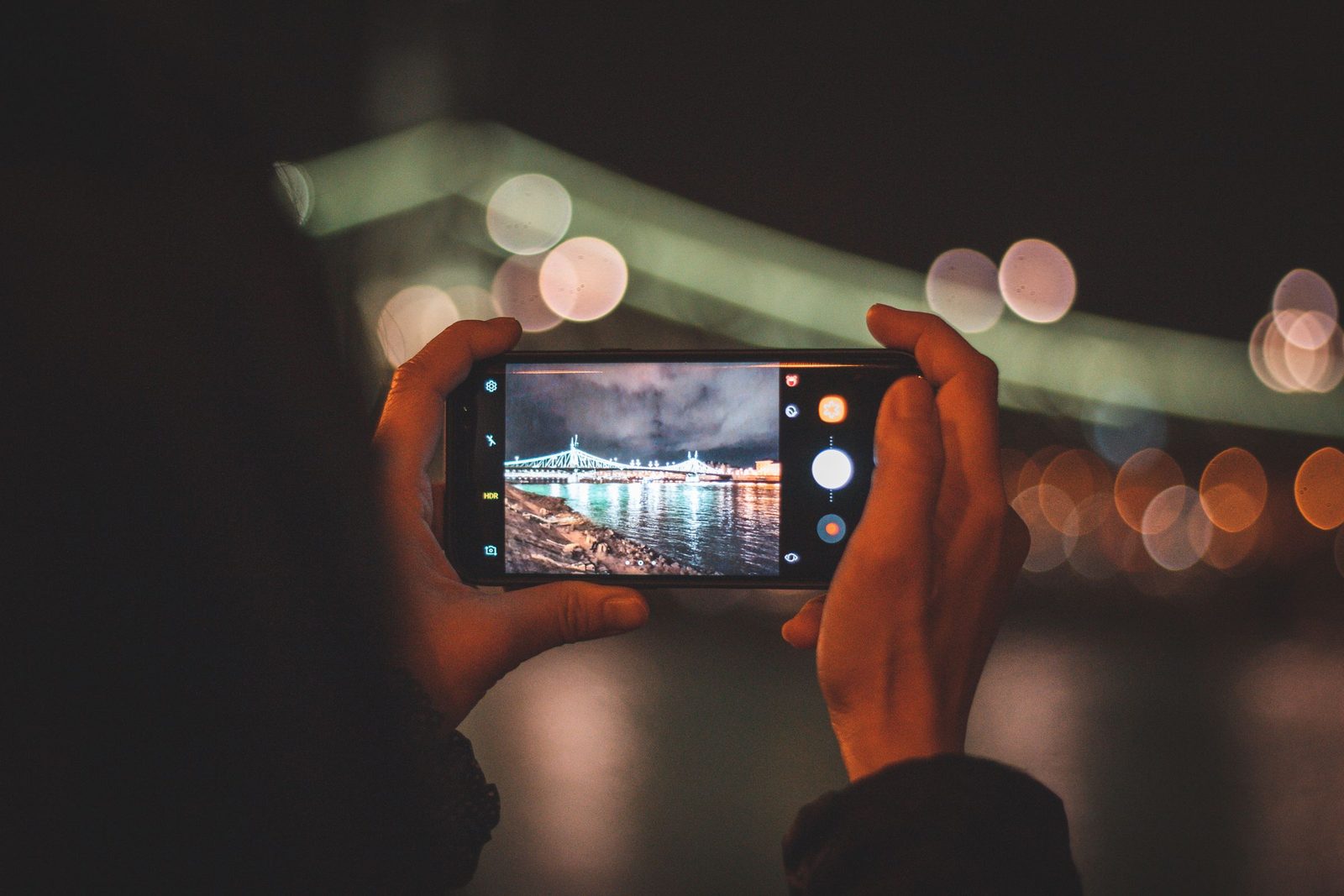
- Hold the phone steady and turn it upright, the way Stories are meant to be viewed. A sideways clip forces people to tip their phone.
- Use text for facts: the dish name, the price, “until 4pm”, “first floor”. Drawing can highlight something in the frame, but it should not cover the thing you are trying to show.
- Do not film staff or customers without a quick word first. A story disappears in a day; a screenshot does not.
- Avoid turning every story into a hard sell. A string of “50% off” frames gets skipped in the same way a noisy feed post does.
- Watch the viewer list after a few days. It tells you whether your followers are opening these updates at all, which is more useful than guessing.
Because a story vanishes, you can be a bit more informal than you would be on the grid. That is the point. It is not an excuse to be careless with other people’s privacy or with claims you would not put on a printed menu.
What we are telling clients
We are not asking anyone to post Stories all day. For most shops and restaurants, a few frames on the days when something is genuinely happening is enough: a new dish, a delivery of stock, a busy Saturday, a change in timing.
Keep the main profile for the photographs you are happy to live with for months. Use Stories for the things that are true today and may not matter next week. If you already take photos on your phone during service or while opening the shutters, you are halfway there. The new part is choosing a few of those pictures, adding a plain caption, and letting them expire.
Stories will no doubt grow extra features over time. For now they are simple: a 24-hour row of photos and short clips at the top of Instagram, with text and drawing if you want them. That is already enough for a small business to look alive without cluttering the profile it has spent years building.