
Every month a new sales person walks into Delhi restaurants with a tablet and a pitch. Another food delivery app. Better riders. Lower commission for the first month. A featured slot on the home screen if you sign this week.
Owners feel pressure to say yes to every logo. Missing an app feels like missing walk-ins. In practice, listing on every food delivery apps restaurant marketplace can slow the kitchen, confuse pricing and shrink margins without adding enough new customers to pay for the mess.
Here is how we help kitchens decide in 2015, after watching both quiet wins and messy multi-app months.
Start with capacity, not logos
Delivery only works if the pass can absorb extra tickets without wrecking dine-in quality. If Friday dinner already runs late, another channel adds tickets you cannot plate well. Guests on the app and guests at the table both leave unhappy.
Count how many delivery orders you can finish in a peak hour without borrowing a cook from the dining floor. That number is your real capacity. Apps do not create kitchen space. A second packing table and a clear runner often matter more than a third logo on the door.
If your dine-in business is still finding its feet, fix service there before you chase delivery volume. A weak kitchen on two channels is still a weak kitchen.
Commission is not the only cost
Platform commissions take a clear cut of each order. Packaging is the quiet cost: boxes, seals, cutlery, napkins, the person who packs. Delivery food that arrives cold or spilled creates one-star reviews that sit on the app forever.
Some restaurants raise menu prices on apps to cover commission. That is fine if the dish still feels fair next to nearby listings. If your butter chicken is clearly dearer than the place two doors down on the same app, you will win fewer trials.
Ask each platform for the full fee sheet: commission, payment settlement time, advertising upsells, and what happens to cancelled orders. Write the numbers side by side before you sign. A free trial month means little if settlement takes weeks and packaging eats the rest.
You do not need every app on day one
Pick one or two platforms where your regulars already order, or where similar restaurants in your neighbourhood get visible volume. Run them properly for a month. Track ticket count, average order value, waste, and complaint rate.
Only then add another app. A clean listing with good photos, accurate timings and packed orders beats five half-managed listings with wrong prices and missing items. Staff who update stock on one panel already have a full job; five panels invite mistakes.
Protect the dine-in menu
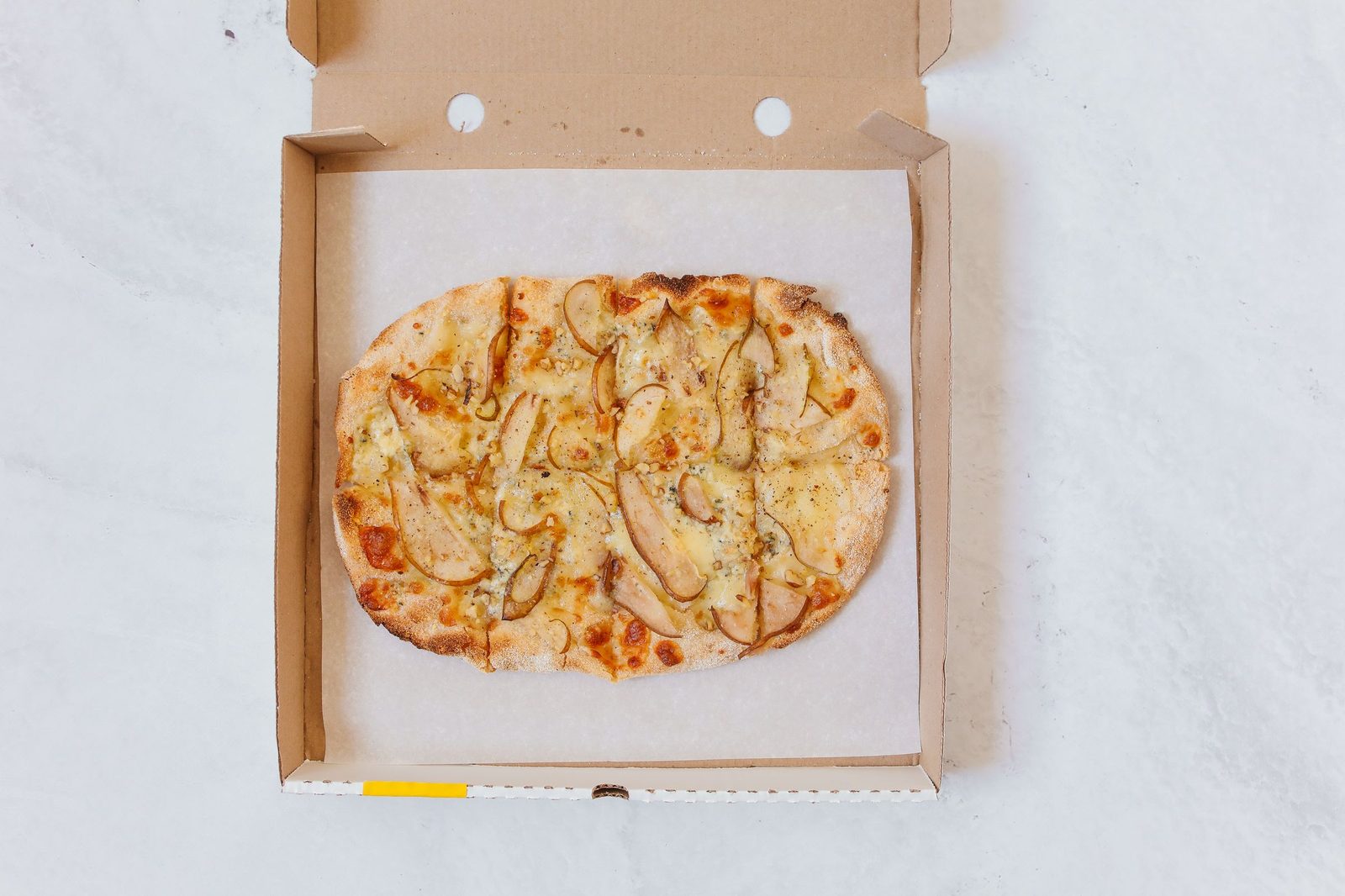
Not every dish travels. Creamy gravies and fried snacks often survive better than salads or anything that wilts. Build a shorter delivery menu. Keep the full menu for the table.
Mark packaging notes for the kitchen: which items need a vent, which need a separate chutney cup, which should never go out in monsoon rain without an extra bag. Riders will not invent that care for you. Train one person to check seals before the bag leaves the counter.
Own the relationship where you can
Apps own the customer account. You own the experience inside the box. Slip a simple card with your direct phone number or WhatsApp for repeat orders if the platform allows inserts. Some owners run a small lunch delivery list on WhatsApp for nearby offices at better margins than the apps.
Reply to app reviews the same week. A calm reply to a packing complaint often matters more than a perfect five-star streak. Screenshots of recurring packing faults also help you coach the kitchen without guessing.
A simple yes or no test
- Can the kitchen handle the extra tickets at peak without hurting dine-in?
- Do the fees and packaging still leave a margin you can live with?
- Is the delivery menu short enough to cook well every time?
- Do you have one person who updates prices and marks items out of stock daily?
If any answer is no, fix that before you add another logo to the door. Food delivery apps help restaurants that treat them like a real channel, not like free advertising. Be selective, measure a month, then expand.
Saying no to the third or fourth pitch is not old fashioned. It is how you keep the food worth ordering when the rider finally arrives.