

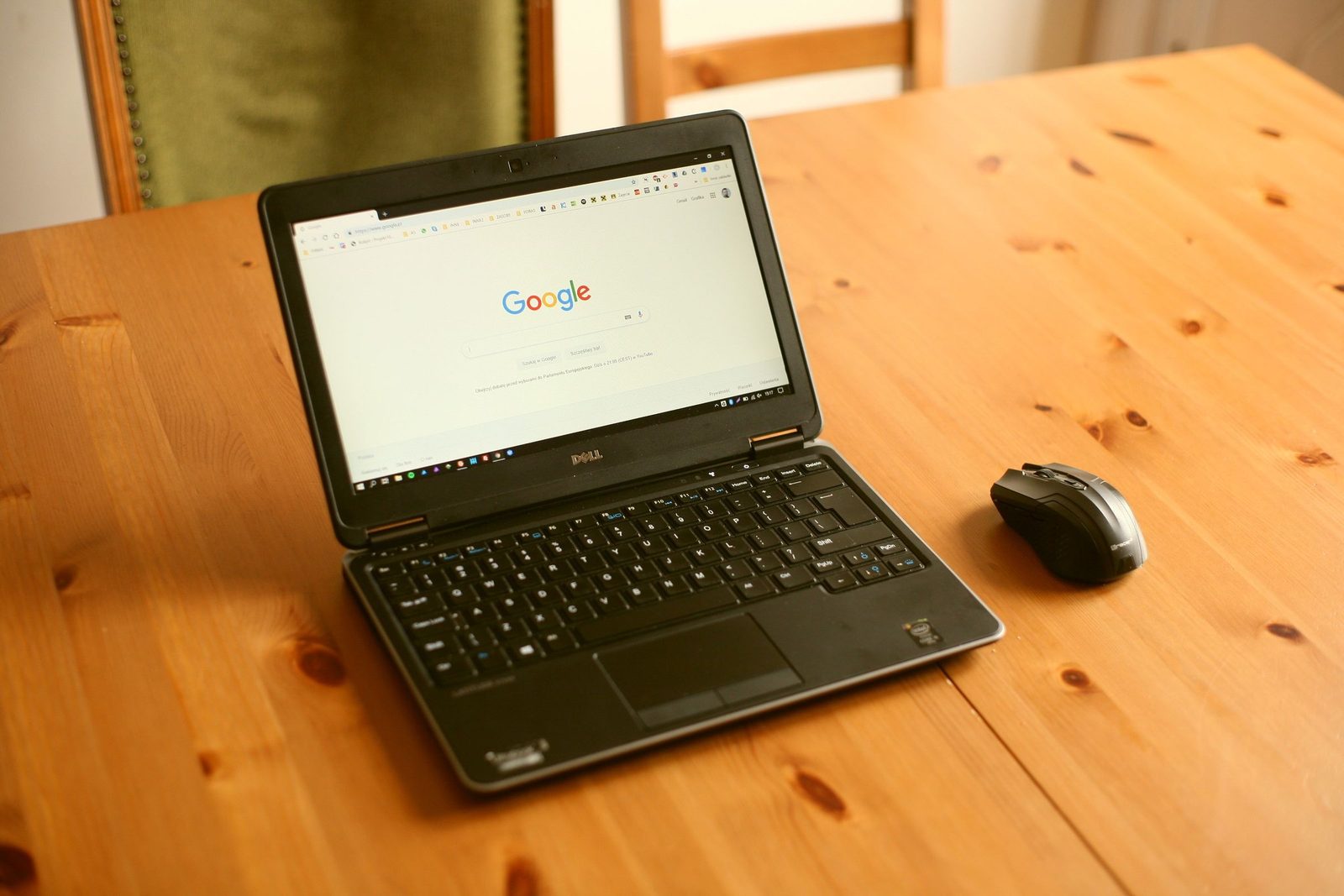
If you searched for something commercial on Google from a desktop over the past few days, you might have noticed the page looks different. The column of ads that used to run down the right side of the results is gone.
Google confirmed last Friday that it is removing ads from the right side of desktop search results worldwide. Ads now appear only at the top and bottom of the page. For what Google calls “highly commercial queries”, such as searches for hotels, insurance or a service in a particular city, it may now show four ads above the organic results instead of three.
There are two exceptions. Product Listing Ads, the shopping boxes with product photos and prices, can still appear on the right. So can ads inside the Knowledge Panel. For most of our clients running regular text ads in AdWords, though, the right-hand column is simply gone.
If you searched for “google ads right side removed” to find out what happened, that is the short version. Here is what we think this means for small and local advertisers in Delhi, and what we are changing in the accounts we manage.
Fewer ads on page one
Earlier, a desktop results page could show three ads at the top, several more down the right side, and sometimes a few at the bottom. Now, at most, you will see four at the top and three at the bottom. That’s a lot fewer slots on the first page.
The ads at the bottom sit below ten organic results, and many people never scroll that far. So for practical purposes, the fight is for the top four positions.
Competition at the top will get tougher
Advertisers who were happy sitting in position five or six on the right, paying less and still getting some clicks, now find themselves at the bottom of the page or not on page one at all. Some of them will raise bids to get back to the top.
We expect that to push up costs per click for competitive searches, at least in some categories. We don’t know by how much, and it will vary a lot by industry and city. Anyone who tells you exactly what will happen to your CPC this month is guessing. What we can say is that the cheap, low-position clicks some local advertisers relied on are harder to find.
Why it matters more for local advertisers
Big brands with large budgets can afford to bid for the top. A dental clinic in Janakpuri, a coaching institute in Laxmi Nagar or a caterer in Rohini usually can’t outbid everyone on broad terms like “dentist Delhi” or “catering services”.
With Google ads on the right side removed, the answer is not to fight harder on the same broad keywords. It is to pick your battles more carefully.
Tighten your keywords
This is the most important change we are making for clients. Broad, generic keywords now cost more for the same visibility, so we are shifting budget to more specific searches:
- Add location: “physiotherapy clinic in Dwarka sector 12” is more useful than “physiotherapy”.
- Add intent: “book root canal appointment” says more than “root canal”.
- Add the actual service: “birthday party catering for 50 people” over “catering”.
These searches have fewer people bidding on them, so a smaller advertiser has a better chance of reaching the top four. They also tend to bring people who are closer to making a decision.
We are also reviewing negative keywords in every account. With fewer, more expensive top slots, paying for irrelevant clicks hurts more than before. Terms like “free”, “jobs”, “course” or “salary” often need to be excluded, depending on the business.
Look at your search terms report
If you run AdWords yourself, open the search terms report and check what people actually typed before clicking your ads. You will often find searches that have nothing to do with your business. Add them as negatives. Then look for specific searches that converted well, and add them as their own keywords.
Check your average position
Look at average position for your main keywords over the last month. If you were regularly sitting at position four or below on desktop, you may have dropped to the bottom of the page or off page one since the change. Watch impressions and clicks over the next two weeks and compare them with the weeks before.
Don’t panic and double all bids. Raise bids carefully on the few keywords that bring you real enquiries, and pause the ones that don’t.
Ad extensions matter more now
Ads at the top of the page can show extensions: sitelinks, call extensions, location extensions and callouts. These make your ad bigger and more useful, and Google takes them into account when deciding which ads show and where.
If your account doesn’t have them, set them up this week. A call extension is especially useful for local businesses, because many people just want to phone you. A location extension linked to your Google My Business listing shows your address and distance.
Quality still counts
Position isn’t decided by bid alone. Google also looks at how relevant your ad is, how likely people are to click it and how useful your landing page is. A clear ad that matches the search, sending people to a page that answers their question, can beat a higher bid with a weak ad.
Many local advertisers send all their ads to the home page. Now is a good time to fix that. A page about the specific service, with your phone number visible at the top and a short enquiry form, helps both quality and enquiries.
Desktop now looks more like mobile
On phones, Google has shown ads only at the top and bottom for a long time. This change makes desktop results look more like mobile. If you have been ignoring how your ads perform on phones, this is another reminder to treat mobile as the main screen and check your bid adjustments.
What about organic results?
For highly commercial searches, the fourth ad pushes organic results a little further down the page. That makes ranking at the very top more valuable, and it makes the local map results more important for local businesses too. Keep your Google My Business listing accurate, collect genuine reviews, and keep your website fast and clear on mobile.
The right-side ads are gone, and they’re not coming back. The advertisers who do well from here will be the ones who know exactly which searches matter to them and stop paying for the rest.