
Free health camps are one of the most common things hospitals and clinics in Delhi ask us to promote. A diabetes screening on World Diabetes Day, a free eye check-up in a resident welfare association park, a bone density camp for women over forty, a heart check-up drive in a corporate office. They are useful for the community and they bring new patients through the door.
They are also easy to promote badly. The poster says “FREE FULL BODY CHECK-UP” in red capitals, the Facebook post promises that the camp will “detect all diseases early”, and the people who turn up find a blood pressure cuff, a glucometer and a long queue. Some leave annoyed. A few post about it.
Good health camp promotion is mostly about being honest and specific. Here is how we approach it.
Say exactly what is included
“Free health check-up” means different things to different people. To one person it is a BP reading. To another it is a full blood panel and an ECG. If you leave it vague, you guarantee that some visitors will be disappointed.
List the tests in plain language:
- Blood pressure check
- Random blood sugar (finger prick)
- Height, weight and BMI
- Consultation with a general physician
If some tests are free and others are offered at a discount, say so clearly. If a full lipid profile needs fasting, say that too, along with the timing. People plan their morning around these details.
Avoid promises the camp cannot keep
Healthcare copy has to be more careful than a restaurant offer. Phrases like “guaranteed early detection”, “100% accurate” or “prevent heart attacks” are not just exaggeration. They can mislead people about their health, and they can create trouble for the doctors involved with the medical council.
Stick to what the camp actually offers. “A quick screening that can tell you whether you should see a doctor for further tests” is honest and still worth turning up for. Let the doctors approve the final copy before anything goes live.
Also avoid fear-based messaging. A post that says “Your heart could stop any day” may get attention, but it does not build trust in a hospital. Calm, factual language does.
Make registration simple
Walk-ins are fine for small camps, but registration helps you plan staff, kits and time slots. Keep it short:
- A simple form on your website or a Google Form, asking for name, age, phone number and preferred time slot.
- A phone number or WhatsApp number for people who would rather call. Many older patients, and their children who book for them, prefer this.
- A clear note on whether walk-ins will also be seen.
Do not ask for more than you need. A long form asking for medical history before someone has even met a doctor puts people off, and it means you are holding sensitive data you may not be prepared to protect.
Send a reminder by SMS or WhatsApp the day before, with the address, a map link and any instructions such as fasting. Reminders cut no-shows more than any extra ad spend.
Where to promote it
Health camps are local. Your audience is mostly people within a few kilometres of the venue, so promotion should be local too.
- Facebook page and a Facebook event. Create an event with the date, time, address and what is included. Share it from the hospital page and ask doctors and staff to share it as well.
- Boosted posts with tight targeting. A small budget aimed at people of the right age within a few kilometres of the venue works better than a wide boost across Delhi NCR.
- RWA and society groups. If the camp is in a residential area, the RWA’s WhatsApp group and notice board reach people Facebook may miss.
- Your website. Put a short page or a banner with the details and the registration form, so ads and posts have somewhere useful to send people.
- Your Google My Business listing. Post the camp details there as well, and make sure your hours and phone number are correct for the day.
Print still matters for camps. A clean poster at the clinic reception, in the pharmacy and at nearby chemists reaches patients who never open Facebook.
Photos and patient privacy
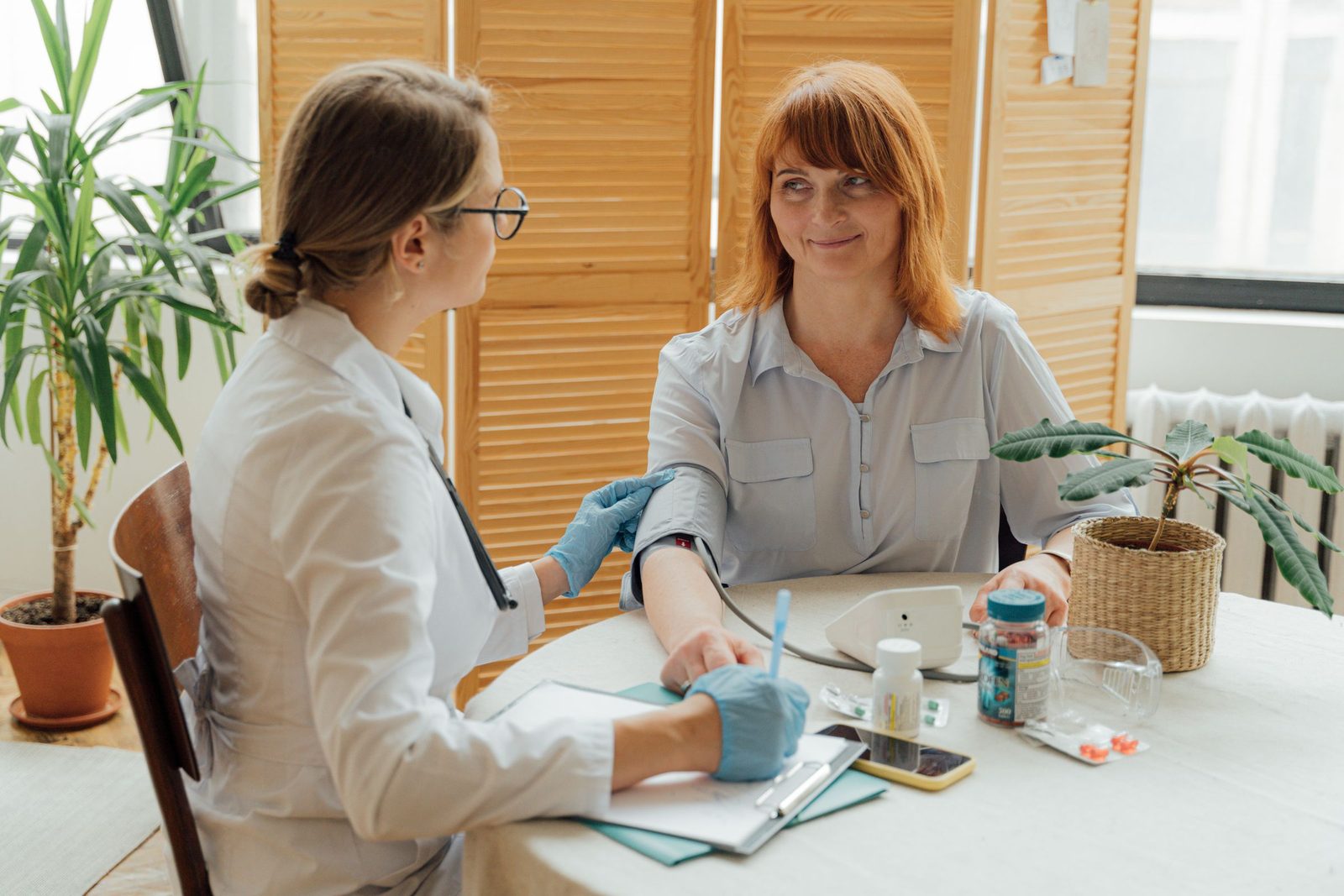
It is tempting to post photos from the camp: a doctor checking someone’s blood pressure, a queue of residents, a group photo of the team. Be careful.
Never post a photo of a patient without their clear permission. Never show reports, screens or anything with test values or names on it. Wide shots of the venue, the team and the setup are usually safer. If you want a photo of a patient being examined, ask first, explain where it will be posted, and respect a no.
Follow up after the camp
The camp is not the end. For many people, it is the first time they have spoken to your doctors. What happens next shapes whether they come back.
- Thank people publicly on your page, without sharing anyone’s results or personal details.
- Give every visitor a printed sheet with their readings and a simple note on what to do next.
- If someone’s reading needs follow-up, make sure they leave with a clear next step: which doctor, which test, how to book.
- Send a short message a few days later with the clinic number and timings.
Do not bombard camp visitors with promotional messages afterwards. One useful follow-up is helpful. Weekly offers for unrelated packages feel like the camp was only a way to collect phone numbers.
Awareness days without a camp
Not every health day needs a physical event. World Heart Day, World Diabetes Day and similar dates are a good reason for a short, useful post from one of your doctors: two or three warning signs to watch for, when to get tested, and how to book. Keep it factual and avoid copying viral health tips that nobody has checked.
Health camps work when people come away feeling looked after. Promote what you will actually offer, make it easy to register, protect patient privacy and follow up properly. That builds more trust than any bold headline.